



Check the program of the previous edition HERE
Tuesday, June 30th 2026
8h00
8h50






10h00
10h30










12h10
13h00


14h00














15h40
16h00



17h40



18h30
19h30
21h00
We have developed a pipeline of bispecific antibodies (bsAbs) engaging the innate and adaptive arms of the immune system. On one hand, CD28 bsAbs driving tumor selective T-cells co-stimulation, proliferation, activation and directed cytotoxicity. Another set of bsAbs that block the immune checkpoint CD47 selectively on tumor cells, increasing phagocytosis by innate immune cells. A key feature of these bsAb approaches is to avoid the severe toxicities typically observed when targeting CD28 or CD47 with monoclonal antibodies.

Dr Deonarain studied at Imperial College and Cambridge University where he carried out PhD research into protein engineering. From 1997-2011 Dr Deonarain was a Principle Investigator at Imperial College in Antibody Technology, which led to some novel technologies being developed commercially. Dr Deonarain now retains honorary links. He has published over 80 papers and patents in protein/antibody engineering/conjugates. In 2014, he co-founded Antikor Biopharma where he is the CSO leading a team of 15 to develop the next-generation of antibody-fragment based ADCs. Dr Deonarain is also Antikor’s CEO, driving the commercial development of Antikor’s OptiLink platform to develop FDC products for therapeutic applications.


Silvia Comis is Clinical and Medical Research Officer at OSE Immunotherapeutics.
She has more than 30 years of international experience and leadership in the pharmaceutical industry, with expertise in clinical research and development, in medical affairs and real-world evidence in oncology, haematology, immuno-oncology and immuno-inflammation. She was more recently Senior Medical Director Therapeutic Science and Strategy Unit at IQVIA, European Head of Early Oncology Products Medical Affairs at Novartis, Head of Clinical Development at Novartis Oncology Europe and Head of Clinical Development and Regulatory Affairs at Nerviano Medical Sciences.
Silvia is a physician, endocrinologist and pharmacologist (Pavia University, Italy).
CD3-targeting bispecific antibodies are a rapidly emerging class of immunotherapeutics, with several approvals in hematological malignancies. However, their efficacy in solid tumors, particularly « cold » tumors with low T-cell infiltration, remains limited. To address this, we investigated various combination strategies aimed at enhancing their therapeutic potential. One approach involves combining CD3 bispecifics with different immunocytokines, such as IL-2, to increase T-cell recruitment and activation within the tumor microenvironment.
Additionally, CD3 bispecifics primarily deliver Signal 1, essential for T-cell activation, but lack the co-stimulatory Signal 2, which is crucial for sustained T-cell function. This limitation often results in T-cell exhaustion or anergy. To overcome this, we explored combinations with CD28-targeting therapeutics, which provide the necessary co-stimulation for full T-cell activation, survival, and differentiation.
Our findings highlight the potential of these synergistic strategies to improve the efficacy of CD3-targeting bispecifics in solid tumors, offering promising avenues for future clinical applications.


Sino Biological leads the way in therapeutic antibody discovery by seamlessly integrating cutting-edge technologies. Our approach combines hybridoma phage display and single B cell techniques, facilitating the development of high-affinity therapeutic antibodies or nanobodies. To further enhance antibody affinity, we employ AI-mediated antibody maturation, utilizing 3D modelling to potentially increase affinity by up to 1000 times.
Moreover, our capabilities extend to expressing various antibody formats, including conventional IgG, fragment antibodies, and bispecific antibodies. Addressing the demand for functional antibody screening, we offer high throughput cell-based and cell-free platforms capable of rapidly expressing up to 1000 antibodies. This integration expedites screening of vast antibody libraries, identifying tailored candidates for specific therapeutic targets. With these innovations, Sino Biological leads the forefront of antibody discovery, continuously pushing the boundaries of therapeutic antibody research.

Dr. Lin serves as a technical specialist at Sino Biological Europe, offering expertise in recombinant proteins, antibody products, and CRO services. Prior to joining Sino Biological in Frankfurt, Dr. Lin worked as a field application scientist at Sycell, specializing in spatial proteomics.
Infertility is estimated to affect 1 in 7 couples worldwide. In 50% of cases, a male factor is found, and no treatment is available for most of them. As a consequence, women are carrying all the burden of infertility treatments for IVF that require injections of FSH-containing preparations in order to obtain mature oocytes. However, the efficacy of these treatments is still limited and several attempts are needed before reaching a pregnancy.
IGYXOS developed a humanized IgG4, IGX12, directed against human FSH. In vitro, IGX12 combined to FSH improves its potency and efficacy. The potentiating activity was confirmed in several animal models. In female cynomolgus monkeys, IGX12 combined to a standard FSH treatment stimulated the follicular growth better than FSH only, and tripled the number of collected mature oocytes. The potentiating effect in male was investigated in rats with acquired azoospermia and congenitally azoospermic hpg mice. In both models, IGX12 combined to a standard treatment stimulated spermatogenesis better than standard gonadotropin treatment.
This first-in-class potentiating antibody IGX12 represents an innovative and promising new therapy to treat infertile male and female patients. IGX12 safety and tolerability is now assessed in a randomized, double blinded clinical phase I study on healthy volunteers.


Elodie Kara did her PhD training in Dr Eric Reiter’s group, in the Physiology of Reproduction Department at INRAe (Nouzilly, France), on FSH receptor signaling. She then moved to Prof Philip Strange’s lab at the University of Reading (UK) as a postdoc, where she worked on the cooperativity exhibited by dopamine D2S receptor. She joined ReproPharm straight after her post-doc in January 2010, where she developed potentiating antibodies for animal and human reproduction. In July 2017, she joined Igyxos, and works since then on potentiating antibodies for human health as project leader.
Our team exploits the properties and modularity of single domain antibodies (VHH or nanobodies) to propose innovative cancer imaging or immunotherapies based on multispecific molecules. Several examples will be discussed.


Patrick Chames obtained his phD at the Aix Marseille University, France in 1997 in the field of antibody engineering. From 1997 to 2001, he worked in the laboratory of phage display pioneer Hennie R. Hoogenboom where he isolated by phage display the first human antibody fragment specifically binding to a cancer-related class I MHC complex (TCR-like antibodies). From 2001 to 2005, he worked for a french start-up company (Cellectis SA, Paris) in the field of genome engineering where he significantly contributed to the set up of an in vivo method, leading to the isolation of homing endonucleases capable of performing specific double strand break in a whole genome. In 2005 he accepted a permanent position for the French National center for research (CNRS). Since 2009, he is working in the field of multispecific antibodies for cancer immunotherapy and is specialized in the use of single domain antibodies. Since 2012 he is leading the Antibody Therapeutics and Immunotargeting (ATI) team, part of the Cancer Research Center of Marseille (CRCM).
We developed a reliable SPR-based assay to select therapeutic monoclonal antibodies targeting different forms of amyloid aggregates implicated in neurodegenerative diseases such as Alzheimer’s. Central to this work is K-One®, our Kimialys’ proprietary surface chemistry, designed to immobilize all major amyloid conformations — monomers, oligomers, protofibrils, and fibrils. The assay enables screening of antibody candidates based on their affinity for each amyloid form, providing detailed insight into binding strength, selectivity, and mechanisms of action.
In parallel, we established a complementary SPR assay to characterize antibody interactions with Fc receptors (FcRs) and C1q, key mediators of immune effector functions. This allows us to evaluate each antibody’s potential to trigger microglia-mediated phagocytosis and other immune responses, offering critical information on their in vivo fate.
Together, these assays support the rational, accurate and clear-cut selection and development of monoclonal antibodies with optimized therapeutic and diagnostic potential.


TUB-040 is a Napi2b-targeting ADC built on Tubulis’ proprietary Ethynylphosphonamidate conjugation chemistry with a homogenous DAR (drug-antibody-ratio) of 8 and the Topoisomerase I inhibitor Exatecan as payload. Napi2b is a member of the solute-carrier transporter family and overexpressed in ovarian cancer and lung adenocarcinoma. In vitro, TUB-040 shows specific binding to Napi2b, efficient target-mediated internalization and high cytotoxicity towards Napi2b-expressing ovarian and lung cancer cell lines as well as bystander activity against co-cultured target-negative cells. TUB-040 is highly stable in serum and does not lose or transfer its linker-payload to serum proteins during blood circulation, thus enabling efficient and continued delivery of Exatecan to the tumor. Single dose administration of TUB-040 shows in long-lasting tumor growth inhibition in a variety of cell line derived xenograft (CDX) and patient derived xenograft (PDX) including models with low Napi2b expression. Toxicology studies of TUB-040 in cynomolgus monkeys demonstrated that TUB-040 is well tolerated with no signs of lung toxicity and thrombocytopenia. Based on these results, TUB-040, designed with differentiating technology for optimal efficacy and tolerability, is currently tested in clinical trials.


Björn Hock is Biochemist and Chief Development Officer of Tubulis. Before joining Tubulis, Björn worked for Aerium Therapeutics, Ferring Pharmaceuticals and Merck KGaA where he held various positions in the Biotherapeutics space. In addition to his role at Tubulis, Björn is founder and principal consultant at Switzerland-based Lavaux Biotech consulting SARL and habilitated at the Technical University of Darmstadt (Germany).
Refractory and relapsed acute leukemias represent major therapeutic challenges. Several reports have highlighted the deregulation of iron metabolism in various proliferative tumor models and notably in acute leukemias, which includes the over-expression of the transferrin receptor (CD71). As essential for development, CD71 is ubiquitously expressed at low level on normal cells but at greater levels in highly proliferating ones such as leukemic cells. The internalization efficiency of CD71 and its over expression in acute blasts, make the CD71 a perfect candidate for an ADC program. We generate a specific antibody that enters in competition with transferrin, the CD71’s natural ligand, as a novel strategy to specifically target highly proliferative cells and we investigated both specificity and potency of INA03 in multiple preclinical models. INA03 is constituted of a humanized monoclonal IgG4 coupled to the classical antimitotic agent, MMAE with a drug antibody ratio of 4. Here, we are reporting preclinical strategy as well as phase 1 preliminary safety, pharmacokinetics and efficacy data of INA03 in refractory and relapsing acute leukemia (NCT03957915).


Co-founder and CSO Inatherys. Doctor in Immunology, Inserm research director and principal investigator at U1149 Inserm unit. Pierre Launay has more than 25 years of experience in basic research on monoclonal antibodies and their therapeutic implications and has published some of his work in scientific journals such as Cell, Nature and Science. He coordinated several projects on inflammation and cancer as well as a research program in allergology. Former Instructor at Harvard Medical School in Boston, he characterized new therapeutic targets in inflammation and oncology. He is also board member of several French and international biotech companies. With three other researchers and clinicians, he created Inatherys an Inserm spin-off based on their discoveries and patents. Inatherys achieved its “first-in-human” Phase I study in acute leukemia for one of its ADC programs in parallel with others both in inflammation and cancer. Pierre undertook a management training at HEC Business School.
Monoclonal and bispecific antibodies are critical therapeutic modalities. This presentation explores the antibody discovery process, from molecular design and platform selection to fit-for-purpose screening and characterization. Drawing from extensive experience in therapeutic antibody discovery, we will highlight key optimization strategies for bispecific antibodies, including epitope selection, affinity tuning, and pharmacokinetics. Additionally, we will discuss innovative solutions to overcome common challenges in bispecific antibody generation, such as low yields, impurities, aggregation, and stability issues. This talk will showcase advanced molecular engineering approaches, high-titer CHO expression systems, and targeted purification techniques designed to enhance bispecific antibody development.


Winfried Elis studied biology in Freiburg, Germany, and at the University of Michigan, USA, graduating with a diploma (2000) and M.S. (1998), respectively. He received his Ph.D. from the University of Freiburg in 2004, working at the local Max-Planck Institute for Immunobiology on signal transduction in immune cells. Thereafter, he joined Novartis in Cambridge, USA, as a postdoc, working on drug target identification, primarily in oncology. In 2008, he returned to Germany to start as a scientist at MorphoSys in Munich, working on the identification of fully human therapeutic antibodies, during which time he became a co-inventor on two patents (anti-Her3 and anti-C5aR antibodies).
The subcutaneous (SC) route is becoming increasingly important for the administration of biologics. The increase in SC adoption can be attributed to its numerous potential benefits over intravenous administration, offering patients and healthcare providers new home-based treatment options that improve treatment adherence, reduce the cost of therapy, and decrease healthcare resource utilization.
The “design space” is a key consideration for successful development of an SC biologics presentation and must be defined very early in the development pathway. These factors include the physicochemical properties of the formulation, the intended patient population and dosing regimen, and the mode of delivery.
Recent advances in the understanding of SC delivery and SC drug delivery technologies allow injection of large volumes, up to 10 mL or even more. Despite this progress, many aspects of the bioavailability of SC-delivered biologics are still poorly understood, such as the marked interspecies difference or the impact of structural properties of the molecule on pharmacokinetics (PK) and immunogenicity.
The strategies for clinical development, regulatory pathways and PK modeling for SC formulations have been successfully established for many drugs.

The path from preclinical into the clinical development of a nebulized biological is neither straightforward nor well-defined. CSL787 is a medicine made from human plasma-derived immunoglobulins and intended as a potential treatment for Non-cystic Fibrosis Bronchiectasis (NCFB). It is developed as a combination product with a mesh nebulizer. Different preclinical models and application routes were chosen to cover the broad features of the mode of action of immunoglobulins and the characteristics of airway disease. Due to the lack of standard model systems, the translatability into humans with NCFB is challenging and knowledge about disease biomarkers and the fate of IgG in diseased airways is scarce. With a summary of our published preclinical work1, 2, 3 insights into challenges, and the clinical development status, we would like to share our experience and contribute to a better understanding of inhaled immunoglobulin therapies.


I hold a PhD in Biochemistry from the University of Fribourg (Switzerland) (2010-2014). My professional journey began at the Federal Office of Public Health (FOPH) in Switzerland, where I evaluated biocidal products for registration and pursued further education in toxicology and risk assessment (2014-2016).
In 2016, I joined CSL Behring in Bern, Switzerland, as a translational scientist. Initially, I focused on Complement therapeutics and assay development. Later, I transitioned to the field of respiratory diseases and immunoglobulins. Currently, I lead a team in Translational Research at CSL, where we strive to deliver a comprehensive understanding of human disease to support clinical development. Our work encompasses mode of action studies in preclinical models and non-interventional research studies in patients, aiming to elucidate therapeutic targets, dosing, disease mechanisms, and indications of interest.
Foka Venema has a background in Neurobiology/Medical Biology at the University of Groningen in partnership with the Washington State University, US.
At Ardena Bioanalysis BV (CRO as part of CDMO Ardena) in Assen, The Netherlands she is involved as project manager, study director and/or principal investigator in method development, validation and bioanalysis for PK, biomarker, anti-drug antibody and PCR-assays for 15+ years.
Foka is passionate about helping patients by focusing on the bioanalytical part of the development of new medicines.
Immunotherapy with anti-CD20 monoclonal antibodies combined with chemotherapy has impr oved treatmentin follicular lymphoma (FL), but about 30% of patients experience relapse or refractory (R/R) disease, leading to poor outcomes. Second-generation bispecific antibodies (BsAbs), like glofitamab, have shown durable c ompleteresponses even in CAR-T refractory patients. However, some patients fail to respond or develop resistance, underscoring the need for predictive factors.
The efficacy of glofitamab was evaluated in patient-derived lymphoma spheroids (PDLS) from FL R/R. PDLS were characterized for cell viability, immune cell composition, and immune escape using flow cytometry and singlecell RNA sequencing. Tumoral B-cell depletion, T-cell proliferation, and activation markers were assessed after 3 days of treatment. Additional analysis was conducted with CODEX.
FL-PDLS maintained immune cell composition similar to their original samples, with CD19 (~80%), CD4 (~10%), CD8 (~2.5%), NK (~0.8%), and γδ T (~0.1%) cells. Exhaustion markers on FL samples and PDLS showed CD4+ T cells expressing CD28>PD1>TIGIT>TIM3>LAG3>41BB, and CD8+ T cells with PD1>CD28>TIGIT>TIM3>LAG3>41BB.
Glofitamab treatment caused two distinct response profiles based B-cell depletion, with different immune microenvironment compositions. High responders had fewer LAG3+ or TIGIT+ CD4+ cells and lower IL-6 levels than low responders. Glofitamab response correlated positively with IFNγ, Granzyme B (validated by CODEX), and CD20 expression. ScRNAseq analysis showed high responders had more activated CD8+ cells whereas low responders had more CD4+ Tfh cells.
This study indicates that high levels of functional CD4+ Tfh cells in FL patients may reduce response to glofitamab.
Further research is needed to explore their role in resistance and potential therapeutic strategies targeting BsAb and CD4+ Tfh cells. Additionally, this study validates PDLS as preclinical
Christine Bezombes, chargée de recherche INSERM au Centre de Recherches en
cancérologie de Toulouse, étudie les mécanismes d’immuno-échappement dans les
lymphomes non Hodgkiniens. Elle développe des modèles 3D à partir de cellules de patients,
utilisant des technologies tellesque le scRNA-seq, les imageries multiplexée, 2D/3D et la
cytométrie en flux afin d’identifier des marqueurs de résistance aux anticorps thérapeutiques
(anti-CD20, anti-PD1, bispécifiques). Ces modèles précliniques, essentiels pour la recherche translationnelle, lui ont permis de créer un réseau collaboratif avec des laboratoires
académiques européens et des industries pharmaceutiques internationales.
Targeting and blocking the immune system checkpoints using antibodies is revolutionizing
cancer therapy, especially in those that generate many mutations such as melanoma. Since
these targets are not tumor specific, it is common to generate toxicities like autoimmune
syndromes. Interestingly, some approved anti cytotoxic T-lymphocyte associated protein 4
(CTLA-4) antibodies showed increased life expectancy of patients with melanoma.
Nonetheless, the Immune-Related Adverse Events (irAEs) due Regulatory T (TReg) cells
depletion outside the tumor do not allow most patients to continue their treatment. Hence, it
would be desirable to promote the activation of T-Effector lymphocytes and eliminate or inhibit
TReg only in the tumor microenvironment to reverse cancer progression. Thus, we can rely on
the Warburg effect stating that tumor tissues have a more acidic pH than healthy ones due to
a metabolic switch. Therefore, we generated pH-dependent antibodies using phage-display
technology, that would be able to bind to CTLA-4 only at the tumor acidic microenvironment
and promote the activation of the immune system, but not at physiological pH of healthy tissue.
We used two different types of synthetic Phage-scFvs libraries, one enriched in histidine
residues and one without enrichment, to acquire antibodies against different epitopes of CTLA-
4. After characterizing their cross-reactivity by ELISA, their kinetics by SPR, and binding by
flow cytometry, we selected several antibodies that bind only at acidic pH to CTLA-4, others
that bind independently of pH (as controls), and a few that show cross-reactivity between
species. Once we have finished the last in vitro tests (competition with natural ligands, ADCC,
etc.), we will select the best performing clones for in vivo essays on transgenic mice expressing
human CTLA-4, or a surrogate mouse model. This will allow to study their anti-tumor capacity
and tumor-restricted TReg depletion. Ultimately, we will study their overall tumor distribution and
ability to decrease the tumor mass compared to other published and FDA approved controls.

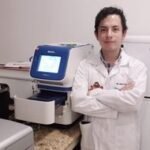
Diego Barba obtained his medical doctor degree on October 4th, 2019, at the Universidad San
Francisco de Quito. During his medical education he joined the Biomedical Discovery Team
and Mito-Act Research Consortium in 2016, his work is focused on cancer prognosis
prediction, cancer in vivo models and immunotherapy. Diego plans a career as an oncologist
while doing research to support advances in the field and provide adequate help to cancer
patients as a medical doctor and scientist. He is currently working at the Institut de
Recherche en Cancérologie de Montpellier, doing his PhD at Pierre Martineau’s team.
Published Work: https://orcid.org/0000-0003-3237-0068
Background:
Therapeutic antibodies—like other biotherapeutic proteins—can trigger unwanted
immune responses, impacting both drug efficacy and patient safety. Regulatory agencies,
including the FDA and EMA, emphasize the need for thorough immunogenicity risk
assessments during preclinical development to safeguard therapeutic success.
Early identification of immunogenicity risk is critical to optimize drug design and avoid
costly late-stage failures.
The MAPPs assay (MHC-associated peptide proteomics) offers direct insight into T cell
epitope presentation by antigen-presenting cells (APCs). It reveals which parts of a
therapeutic protein are truly displayed on MHC molecules (after uptake and lysosomal
processing), pinpointing the sequences that may trigger immune responses.
Notably, recent data show that antibody-drug conjugates (ADCs) present different
epitopes than their corresponding unconjugated antibody format. This underscores the
MAPPs assay as a method of choice for preclinical immunogenicity assessment.
Offer/Project Description:
ImmuneSpec is an advanced immunopeptidomics platform for high-confidence
identification of MHC-associated peptides, designed to support immunogenicity
assessment in therapeutic antibody development.
The workflow is carried out in a high-sensitive but semi-automated, high-throughput
format, ensuring robust performance, low turnaround times, and minimal sample input without compromising sensitivity or depth of analysis.
The process begins with optimized sample preparation: After loading of the test article on moDCs (while leaving the time for uptake of the test article, processing and MHC
presentation) cells are lysed using proprietary lysis buffer leading to full MHC complex
solubilization while preserves the integrity of peptide-MHC binding. The solubilized MHC
molecules are then affinity-purified from the sample—targeting MHC class I, class II, or both (sequentially), depending on project requirements.
After purification, only the bound immunopeptides are eluted and selected for analysis
using highly sensitive mass spectrometry.
The resulting spectral data are processed through an advanced bioinformatic pipeline to determine the exact amino acid sequences of the presented peptides. This approach enables precise, high-resolution mapping of naturally processed epitopes, including information on peptide abundance and post-translational modifications that may influence immunogenicity.
ImmuneSpec’s platform delivers high-quality, reproducible datasets that inform rational de-immunization, candidate prioritization, and data-driven decision-making in early- and
late-stage biotherapeutic development.
Innovative Strength & Applications:
ImmuneSpec’s innovation lies in its synergy of optimized sample processing, cutting-edge MS sensitivity, and advanced data interpretation. As a gold-standard preclinical tool, the platform enables drug developers to experimentally verify which epitopes are naturally presented by MHC molecules, thereby providing essential insights early in the
development pipeline.
ImmuneSpec’s primary application is in immunogenicity testing, where high-sensitivity MAPPs results correlate with observed clinical immunogenicity demonstrating its strong predictive power. This enables developers of biotherapeutics to select the best candidates early in discovery, optimize drug design to minimize immunogenicity risk, apply rational de-immunization strategies, and make informed, data-backed decisions
that help prevent costly late-stage failures.
Conclusion:
By delivering high-confidence, clinically correlated insights into MHC-presented peptide
landscapes, ImmuneSpec empowers developers of biotherapeutics to effectively evaluate and mitigate immunogenicity risks. Its precision and scalability support the creation of
safer, more effective antibody-based therapies, reinforcing its value in immunomodulation strategies and biotherapeutic innovation.


Elise Pepermans obtained her PhD in biochemistry at the Pasteur Institut in Paris. During her post-doc in the Center for Proteomics (University of Antwerp/Flemish Institut for Technological Research) she developed an optimized workflow for advanced immunopeptidomics. Since
March 2023, she is one of the co-founders of ImmuneSpec, an advanced immunopeptidomics
platform that offers high-sensitive immunopeptidomics as a service, thereby making this technique available to all pharma and biotech companies.
Antibody discovery platforms are often constrained by long project durations, the consumption of large quantities of reagents, species-specific protocols, invasive
procedures, or the ethical burden of animal sacrifice. We report a highly sensitive
microfluidic system enabling ultrafast functional screening and sorting of antibody secreting cells — from multiple species and from minimal, non-terminal samples — in picoliter droplets with minimal carbon footprint. This work contributes to the development of sustainable biotechnology workflows for immunotherapy development.
Our approach leverages a droplet-based microfluidic system that co-encapsulates antigen-coated beads and antibody-secreting cells in ~50 pL droplets. The assay requires only microliters of cell suspension and can be applied to both hybridoma lines, primary B cells and recombinant libraries. The detection strategy is flexible, using fluorescence-conjugated secondary antibodies (anti-IgG or anti-VHH) to read out secreted IgGs in real-time.
Using hybridomas, immunized mouse, rabbit and lama B cells, recombinant llamaderived
VHHs, we demonstrated:
• Detection limits down to the nM level for IgGs and VHHs
• Single-cell resolution of functional B cells within 1–2 hours
• Cross-validation of sorted droplets via complementary techniques (e.g.
fluorescence microscopy, PCR)
Only small volumes (e.g., a few hundred microliters of B cells suspension) were needed, and no animal sacrifice was required beyond standard immunization.
The platform stands out by its cross-species compatibility and sustainable, lowfootprint workflow:
• Works with diverse antibody formats (IgGVHH) and hosts (mouse, rabbit, camelid, etc.)
• Requires minimal sample preparation, no animal sacrifice, and operates at high throughput Reduces reagent use, waste, and lab energy consumption due to fast turnaround and microfluidic volumes.
This design enables researchers to perform sustainable best-in-class antibody screening with a drastically reduced carbon and biological footprint. Its adaptability makes it particularly suited for rare species studies, field immunology, or laboratories committed to more sustainable and ethical practices.
We present a versatile “Noah’s Ark”-style antibody discovery platform: cross-species, sustainable, low-input, and scalable. It aligns with sustainability goals in biomedical research while delivering high sensitivity and throughput. This method paves the way for next-generation therapeutic antibody discovery, with both scientific and societal impact.

François Côte is a biologist graduated from Namur University in Belgium. After its internship
at GSK on the validation of alternative methods for polio vaccine QC, he performed a master
thesis on mechanism of action elucidation of fragmented pectin-mediated cancer cells death.
Hired by CER Groupe, a Belgian Research Center supporting life sciences industry with
integrated bioproduction and non-clinical development capacities, he started as project
manager on antibody discovery and process optimization projects, followed by bioproduction
technical manager position and finally now in charge of business development. He cumulates
>12 years of experience in antibody discovery, production and characterization.
The advancement of cancer therapy is pivoting towards targeted molecular approaches, among
which bispecific T-cell engagers (BsTCEs) represent a groundbreaking class. At Takis Biotech, a focus of our research is the development of TK-002, a novel bispecific antibody that targets Human Epidermal Growth Factor Receptor 3 (HER3) on tumor cells and CD3 on T cells. HER3 is a key mediator in oncogenic signaling and therapeutic resistance, making it an ideal target for BsTCEs.
TK-002 mobilizes the body’s immune response against cancer cells, fostering T-cell mediated cytotoxicity within the tumor microenvironment. This strategy aims to mitigate off-target effects and overcome resistance often seen with traditional therapies. Preliminary in vitro and in vivo research has demonstrated significant inhibition of tumor growth in models of breast, melanoma, and osteosarcoma cancers.
In developing TK-002, Takis Biotech has implemented advanced bioengineering techniques to optimize the therapeutic’s efficacy and safety. The final format combines a knob-in-hole (KIH)
configuration with a single-chain variable fragment-Fc (scFv-Fc) fusion. The KIH configuration promotes correct heavy chain pairing in bispecific antibodies, enhancing manufacturing yield and consistency. This ensures the stability of the antibody and its ability to engage effectively with HER3 and CD3 targets. The scFv-Fc fusion links the variable regions of the heavy and light chains to create a single-chain variable fragment, which is then fused to the Fc region of an antibody. Both molecule design enhances the molecule’s half-life in the bloodstream, improves its pharmacodynamic properties, and increases solubility and stability, maintaining the functional integrity of the molecule under physiological conditions.
Moreover, cytokine release studies ensure that the therapeutic profile of TK-002 remains safe and efficacious. Our preclinical evaluations have established a strong proof of concept, assessing the efficacy, specificity, and safety profile of TK-002. These findings are foundational for progressing TK-002 into Phase I clinical trials.
The implications of targeting HER3 with BsTCEs like TK-002 are profound, offering novel avenues for cancer treatment that are more precise and potentially more effective than existing modalities. By engaging T cells against HER3-expressing tumors, TK-002 aims to surmount limitations of current HER family-targeted treatments, which often induce resistance mechanisms. This targeted approach also aims to minimize adverse effects commonly associated with broader immunotherapeutic strategies, offering a more tolerable treatment option for patients.
In conclusion, the development of TK-002 represents a significant leap forward in oncology, emphasizing the transformative potential of bispecific T-cell engagers in future cancer therapies. As we advance towards clinical trials, our commitment to verifying the safety and efficacy of TK-002 remains steadfast, with the ultimate aim of introducing a compelling new treatment option for cancer patients. This pitch will detail the scientific innovation behind TK-002, explore developmental challenges and breakthroughs, and outline steps towards its clinical realization, emphasizing the role of bispecific T-cell engagers in revolutionizing cancer treatment.
Giuseppe Roscilli, PhD, serves as the Chief Technology Officer and Director of Monoclonal Antibody Department at Takis Biotech, where he leads innovative projects in monoclonal antibodies and bispecifics. With a doctorate in Experimental Medicine from Sapienza University of Rome, Giuseppe has spearheaded several pioneering initiatives, including the development of the HER3-targeting bispecific T-cell engager, TK-002. His expertise spans in vitro and in vivo therapeutic assessments, and he plays a crucial role in transitioning novel therapies from research to clinical trials. A dedicated advocate for advancing targeted treatments, Giuseppe’s work underscores the integration of cuttingedge science and clinical application.
Context. The involvement of calcium signaling in tumor progression has been well documented in the literature. In particular, the calcium channel TRPV6 has been identified as a key player in the physiopathology of solid tumors.
At the transcriptomic level, TRPV6 is overexpressed in many cancers such as prostate, pancreatic and ovarian cancers underscoring its potential as a new therapeutic target. While some TRPV6-targeting antagonistic peptides have reached clinical stage, no antibody candidate is currently in development. Leveraging its phage display technology and unique proprietary antibody libraries, Mabqi (France), in collaboration with SATT Nord and PhyCell
laboratory (France), has discovered and characterized a first-in-class human anti-TRPV6 antibody « 20H3” with high clinical potential.
Methods. A comprehensive series of vitro and vivo preclinical studies demonstrated the safety profile, efficacy and clinical relevance of 20H3 antibody, as a new candidate for the treatment of prostate cancer.
Results. In vitro studies demonstrated the high affinity and specificity of 20H3 antibody against TRPV6 target. Exploration of antigen-antibody interaction was performed through epitope and paratope mapping and antagonistic activity of 20H3 antibody was validated via a calcium flux modulation assay. The excellent developability properties of 20H3 antibody were also demonstrated through thermostability, aggregation and stability assays.
In vivo, the safety profile was confirmed in mice model. After repeated doses up to 64 mg/kg, no effect on mice body weight and no sign of toxicity in main organs collected were detected. The antitumoral potential of 20H3 antibody was evaluated in three vivo cancer models. As initial positioning is prostate cancer indication, efficacy studies in two xenografted prostate models (LNCaP and VCaP) were performed. In both models, specific tumor targeting and tumor penetration were confirmed and a strong antitumoral efficacy was demonstrated at 4-8 mg/kg
with a tumor growth inhibition superior to 60 % and an increased mice survival of 62 %. Interestingly a strong efficacy was also shown in syngeneic MCA205 sarcoma model. To further elucidate antibody’s mode of action, a comparison between Fc-WT and Fc-silent formats was carried out in immunocompetent and immunodeficient mice models. All together, these results demonstrated that antitumor efficacy is mediated by both paratopic region (antagonistic to TRPV6) and by Fc region of the antibody that potentializes the effect of the treatment. Finally, the 20H3 clinical relevance was demonstrated by immunohistochemistry studies with positive immunoreactivity in a large proportion of prostate cancer patient samples.
Conclusion. The 20H3 antibody is the first anti-TRPV6 antibody under development, with a strong potential to advance rapidly into clinic. The CMC process of 20H3 drug candidate is planned in 2025 and Phase Ia clinical trial is expected to start in early 2027.
After successfully completing her Pharm.D and Engineering degree at the Faculty of Pharmacy of Montpellier and l’Ecole des Mines d’Albi, Johanna Marines has developed her experience through a 3 year PhD. focus on tumor microenviroment at the Human Genetic Institute and a company specialized in zebrafish model. She joined Mabqi in 2022, as Head of preclinical development
to evaluate the safety profile, efficacy and clinical relevance of innovative therapeutic antibodies.
Antibody–Drug Conjugates (ADCs) have been through multiple cycles of technological innovation and many refinements since the concept was first practically demonstrated ~40 years ago. These refinements include the payload killing mechanism, linker release action, antibody conjugation position, and the overall chemistry to build an ADC which is maximally effective and well-tolerated in humans. Current technology is focusing on large, whole immunoglobulin formats, many with sitespecifically conjugated payloads numbering 2 or 4.
ADCs in oncology represent a significant advancement in cancer treatment, offering a promising new avenue for targeted therapy. However, ADCs have generally failed to have an impact in solid tumours.
A major limitation to ADC efficacy in solid tumors is poor tumor penetration, leading to explore alternative, smaller formats which have better penetrating properties as well as more rapid pharmacokinetics (PK).
The superior tumor penetration and rapid systemic clearance properties of smaller formats offer an alternative and potentially a wider therapeutic window than the larger ADCs, which take days to reach peak accumulation and weeks to clear from the body. Strategies to manipulate the PK properties, whilst retaining the more effective tumor penetrating properties could at least make small-format drug conjugates viable alternative therapeutics to the more established ADCs or from novel ADCs.
By using its proprietary and patented Therano-StickTM technology, AbTx aimed to perform ADC miniaturization by delivering Fragment Drug Conjugated (FDC). This fine-tuning allows to improve
ADC therapeutic index.
Therano-StickTM technology is an enzymatic, microbial transglutaminase (mTG) mediated site-specific conjugation technology developed by Covalab and licenced to AbTx. Compared to other mTG conjugation technology, Therano-StickTM technology can be applied to deliver both large ADC (150kDa) and also to small-format drug conjugate Fc free.
Transglutaminases catalyse covalent cross-linking of specific glutamine residues to primary amine of peptide-bound lysine residues or to primary amines of other compounds such as polyamines. Different recombinant antibody formats (mAb, Fab, scFv and VHH) carrying the Q-tag sequences were conjugated with different payloads (MMAE, DM1…) and characterized.
ADCs are one treatment option that could fill this gap for the treatment of pancreatic cancers.
Pancreatic cancer is an extremely aggressive cancer with around 511,000 new cases and over 467,000 deaths recorded worldwide in 2022. Pancreatic adenocarcinoma is characterized by its dense tumor microenvironment (TME), which promotes tumor growth and metastatic spread, acts as a barrier to chemotherapy penetration, and consequently contributes to the increased rate of both primary and adaptive multi-drug resistance.
AbTx is developing a FDC product portfolio by targeting a novel target (“Tx-101 as a First in Class”)
and another previously described as ADC target (“Tx-103 Best in class”) to treat solid tumours as pancreatic cancers with further transversal indication development. AbTx is also working on Therano-StickTM technology potential applications to deliver innovative conjugated antibodies in the field of Molecular Radio Therapy (MRT).
The full mastery of Therano-StickTM technology by AbTx constitutes a key pillar to support the dynamic evolution from conventional to next-generation constructs of therapeutic conjugated antibodies.


Meddy El Alaoui did his PhD in Biochemistry at University of Lyon (France). He worked as a Post Doc Position at Centre Léon Berard & University of Cambridge (UK) for the development and validation of cross-linking technology on various antibody format. In 2018, he joined Covalab
as CSO and co-founded AbTx in 2023 to lead and develop the Therano-Stick® platform applied to antibody and their fragments for the new generation of ADC treatments.
With the rise of chronic diseases such as cancer, autoimmune and infectious diseases, which affect or kill millions of people worldwide, the demand for innovative and specific antibodies as diagnostic tools or biologics has increased significantly.
Currently, these antibodies are produced using mammalian cells as biofactories. However, this type of production has drawbacks such as high production costs, heterogeneous production,
instability and potential risk of viral contamination. These high costs limit access to these
innovative therapies to only 5% of the world’s population, and to 50% of the population for
diagnostics.
Therefore, it is essential to develop alternative cellular biomanufacturing methods that reduce the cost of production of these antibodies while improving their quality and efficacy, thus facilitating patient access to these innovative treatments.
Bioinspired by the ocean, ALGA BIOLOGICS is a Deeptech Greentech company based in
Normandie, France developing an innovative platform for antibody production using
microalgae as cellular biofactories. Our team has recently demonstrated the ability to produce, on a 200 liter scale, microalgae-based antibodies with a functional profile identical to those
produced in mammalian cells.
The company’s latest results on the biological activities and quality of various antibodies
produced in microalgae will be presented.
The company is supported in its ambitions by the French government through the France 2030 program under the Acceleration Strategy for Bioproduction and Biotherapies and by the ADD
(Aide au Développement Deeptech) of BPI France.


After completing her european Ph.D., Muriel Bardor worked as a scientist in Prof Ajit Varki’s
lab at the University of California, San Diego, USA. From 2010 to 2012, she led the analytical group at the Bioprocessing Technology Institute in Singapore working on the characterization of antibodies produced in mammalian cells. In 2015, she became professor at the University of Rouen-Normandie in glycobiology and plant biotechnology where she developed a technology for the production of antibodies using microalgae. This technology is currently exploited by Alga Biologics, the start-up she is leading as CEO and CSO.
Antibody-drug conjugates (ADCs) have significantly transformed the treatment landscape of various cancers. However, most approved ADCs target tumor-associated antigens, limiting their efficacy in solid tumors with a dense stromal microenvironment, such as pancreatic ductal adenocarcinoma (PDAC). In these tumors, stromal barriers hinder drug penetration and immune response activation,
promoting drug resistance and immunosuppression, thus compromising treatment success.
To address these challenges, we developed Pan01, a novel ADC designed to target both cancer cells and the surrounding tumor stroma. By binding the urokinase plasminogen activator receptor
(uPAR)—overexpressed in both malignant and stromal tissues of aggressive tumors like PDA—PanTarg aims to enhance therapeutic efficacy through a dual-targeting mechanism. This approach alleviates stromal barriers, facilitates drug delivery, and broadens the patient population eligible for ADC therapy, positioning PanTarg as a Pan-Cancer treatment.
PAN01 is based on a proprietary, species-cross-reactive, fully human antibody with optimal ADC properties. In various preclinical models, including PDAC, PanTarg has demonstrated potent antitumor activity by direct targeting of uPAR-positive cancer and stromal compartments, bystander effects, immune modulation, and a favorable safety profile. A key advantage of PanTarg is its proven efficacy with diverse therapeutic payloads, including Topo-I and Topo-II inhibitors, and MMAE, allowing precise tailoring of its composition to specific tumor indications.
With its multifaceted mechanism and broad therapeutic potential, Pan01 stands out as a high-value treatment option, either as a monotherapy or in combination regimens, addressing critical unmet needs in aggressive cancers like PDAC.


Natural killer (NK) cells are innate lymphocytes capable of detecting and lysing stressed or malignant cells through a finely tuned balance of activating and inhibitory receptors. NK cell therapies offer an alternative avenue to T-cells for targeted cancer immunotherapy. We have engineered a novel class of NK cell engagers, termed Antibody-based NK cell Engager Therapeutics (ANKETs), which harness NKp46 as a central activation axis (1). These multifunctional molecules co-engage tumor-associated antigens and multiple NK cell receptors to drive potent cytotoxic responses. Clinical-stage trifunctional ANKETs, targeting NKp46, CD16, and either CD123 in acute myeloid leukemia (AML) or BCMA in multiple myeloma (MM), have shown robust antitumor activity with minimal off-target effects in preclinical models (2-3). Next-generation tetrafunctional ANKETs incorporate a non-alpha IL-2 variant to additionally engage the IL-2 receptor on NK cells, enhancing proliferation and cytotoxicity (4). A CD20-targeting tetrafunctional ANKET demonstrated strong activity against diverse B-NHL cell lines and primary samples, including those with low CD20 expression. Notably, IL-2-armed ANKETs also upregulated NK cell activation markers and enabled killing of CD20-negative tumor cells (5). ANKETs represent a promising immunotherapeutic platform, expanding treatment options across hematologic malignancies.
(1) Gauthier, L. et al. Multifunctional Natural Killer Cell Engagers Targeting NKp46 Trigger Protective Tumor Immunity. Cell 177, 1701-1713.e1716 (2019).
(2) Gauthier, L. et al. Control of acute myeloid leukemia by a trifunctional NKp46-CD16a-NK cell engager targeting CD123. Nat Biotechnol 41, 1296-1306 (2023).
(3) Tang, A. et al. The Novel Trifunctional Anti-BCMA NK Cell Engager SAR’514 Has Potent in-Vitro and in-Vivo Anti-Myeloma Effect through Dual NK Cell Engagement. Blood 140, 9985-9986 (2022).
(4) Demaria, O. et al. Antitumor immunity induced by antibody-based natural killer cell engager therapeutics armed with not-alpha IL-2 variant. Cell Rep Med 3, 100783 (2022).
(5) Demaria, O. et al. A tetraspecific engager armed with a non-alpha IL-2 variant harnesses natural killer cells against B cell non-Hodgkin lymphoma. Sci Immunol 9, eadp3720 (2024).

Koen Sandra received a PhD degree in Biochemistry from the Ghent University, Belgium in 2005. After his PhD, he joined Pronota, a molecular diagnostics company where he was active in developing analytical platforms for disease biomarker discovery and in setting up external collaborations. In 2008, he joined RIC, a company that provides analytical support to the chemical, life sciences and pharmaceutical industries, where he holds the position of CEO. As a non-academic scientist, Koen Sandra is author of over 50 highly cited scientific papers and has presented his work at numerous conferences as an invited speaker. He has been listed several times in the Analytical Scientist’s Power List celebrating the world’s most influential people in the field.
The flexible BEAT platform enables 5 or more functional modules to be combined into a single molecule. The functional and biophysical properties of a complex multi-specific immune cell engager antibody can be quite different to the sum of its parts. Therefore, a screening cascade was developed starting from Fab or cytokine selection to multispecific lead candidate selection. This was applied to identify ISB 2001, a first-in-class tri-specific BCMA and CD38 T cell engager now advancing in the clinic to treat Multiple Myeloma.


Cyrille Dreyfus is a Protein Biochemist who has more than 10 years of combined industry and academic experience in large molecule drug discovery. He holds a PhD in Protein Engineering and Structural Biology from the CEA (French Alternative Energies and Atomic Energy Commission). In 2010, Cyrille worked for 2 years on broadly neutralizing antibodies against influenza viruses at the Scripps Research Institute in the research group of Pr. Ian Wilson. In 2013, he joined the Center of Immunology Pierre Fabre as a Senior Scientist working on monoclonal antibodies against key therapeutic targets in oncology. At present, Cyrille is heading the Protein Sciences group in the Antibody Discovery and Engineering Department at Ichnos Sciences (Lausanne, Switzerland). His work focuses on the preclinical development of novel multi-specific cancer immunotherapies based on immune cell engagers such as ISB 1442, a CD38xCD47 macrophage engager, and ISB 2001, a BCMAxCD38xCD3 T cell engager.
Biomunex is developing MAIT engagers which are bispecific antibodies that bind both MAIT cells and tumor-specific antigens leading to MAIT-directed killing of the cancer. MAITs (Mucosal Associated Invariant T cells) are an abundant, subset of cytotoxic non-conventional T-cells that are found in most organs and are especially enriched in barrier tissues. MAIT engagers are able to induce MAIT mediated tumor elimination with the same cytotoxic potential as a classical CD3 T-cell engager. However, in stark contrast to CD3e engagers, MAIT engagers do not cause widespread cytokine release and regulatory T-cell activation and afford a large therapeutic window, favouring the treatment of solid tumors. Tumor resident MAIT cells taken from patient biopsies are able to eliminate autologous tumor cells in a MAIT-engager dependent manner and can infiltrate and kill tumor cells in patient derived 3D models of cancer. The superior safety of MAIT engagers and the absence of regulatory T-cell activation strongly supports the notion of a large therapeutic window and increased activity in solid tumors. This should translate to long term durable responses for patients with solid tumors.


Dr Deonarain studied at Imperial College and Cambridge University where he carried out PhD research into protein engineering. From 1997-2011 Dr Deonarain was a Principle Investigator at Imperial College in Antibody Technology, which led to some novel technologies being developed commercially. Dr Deonarain now retains honorary links. He has published over 80 papers and patents in protein/antibody engineering/conjugates. In 2014, he co-founded Antikor Biopharma where he is the CSO leading a team of 15 to develop the next-generation of antibody-fragment based ADCs. Dr Deonarain is also Antikor’s CEO, driving the commercial development of Antikor’s OptiLink platform to develop FDC products for therapeutic applications.
14th Antibody Industrial Symposium (AIS2026)
June 30-July 1, 2026 in Montpellier, France